The joy of the ‘Toothed Lion’

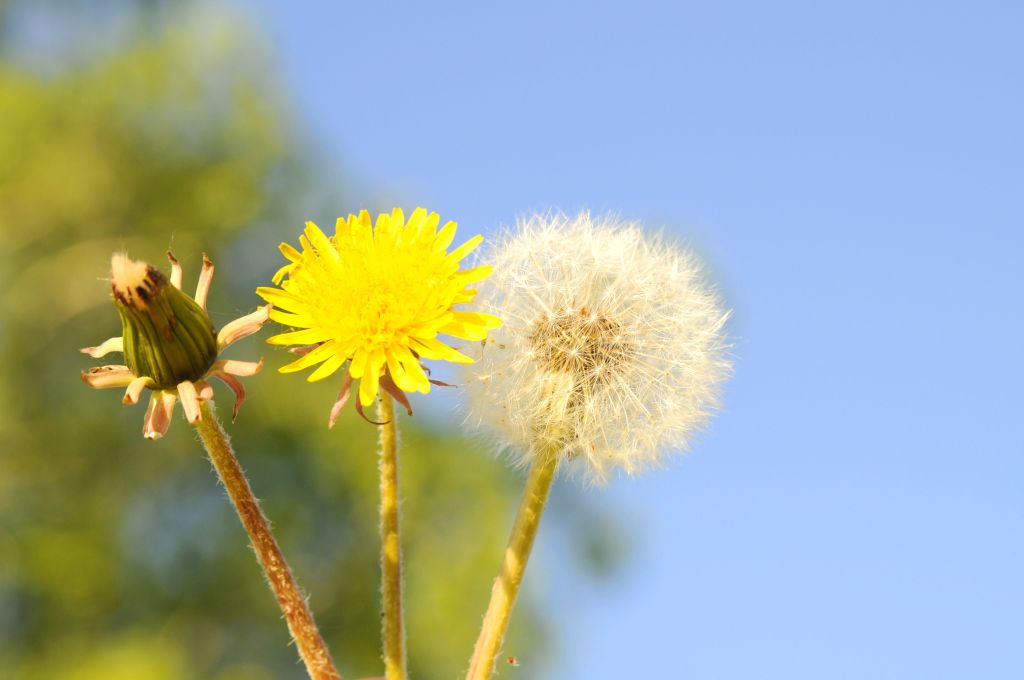
If you so happened to be wandering round a garden centre in Japan in late Spring, you may be shocked to see displays of dandelions potted up, neat price labels, ready to be snapped up by passing customers! However in the UK, to some, these plants are a source of much teeth gnashing, the scourge of lawns, the invasive seeds which magically form when backs are turned, germinating into otherwise inaccessible cracks and crevices. Not to mention the long, easily snapped tap roots.  If a flower were ever to symbolise ‘perseverance’, this shaggy frilled herb would win hands-down. So, how do begin to change our habits and attitudes towards ‘weeds’ such as the common dandelion and how can we extend this thinking to the way we garden at large?

Gardening in a climate friendly way is more essential that ever. You don’t need to dig deep to find scientific reports of catastrophic declines in species of nature in many forms. From soil ‘dead’ of microbes, plants struggling to adapt to a changing climate, disappearing species of animal, to the larger planet-wide changes to natural habits and eco-systems – it doesn’t make for chirpy bedtime reading. Having a garden, or some form of outdoor space is a privilege and an opportunity to form an intimate bond with the wider world. The gardens of the UK, and other amenity green spaces make up more area than the national parks, and there is the opportunity to make a positive and rewarding difference, as well as deriving all the pleasure that gardening brings.

There are many ways to garden in a sustainable, planet-friendly way – growing crops; harvesting sunlight & water; composting; re-using & recycling materials; boosting biodiversity; transforming lawns. All such activities have thousands of accessible articles/ books at our fingertips. However, we only need to look closer at the garden to get a feel for the connections of this interlocking web within the garden and how that extends to the wider environment.

Why not spend a little time to get to really know some plants in our garden on a much deeper level. One plant a week, and you’ll soon look at your garden differently. In my front lawn, the dandelions squeeze through the competing grass. Before our 20th century obsession with neat lawns, people used to remove the grass to make way for dandelions. Delve into its folklore – the only plant to represent the celestial bodies of the sun, moon, and stars (flowers/ globe seed head/ individual seeds). Still widely used in Chinese and herbal medicine; roots still utilised as a beverage; young leaves in salads, latex from the sap providing the former Soviet Union with rubber needed for its war efforts; dandelion wine; a spring green pickle; flower oil for joints – where do you stop?
Boosting the variety of life our garden supports largely depends on our provision of wildlife friendly habitats. Bumblebees, tiger moths, solitary bees and honeybees all visit dandelions for food, along with hoverflies, beetles, and butterflies such as the peacock and holly blue. Goldfinches and house sparrows eat the seed. Take a magnifying glass to a dandelion, and if you don’t get lost in the intricacies of its form, you may come across grasshoppers, mites, lady-birds or lacewings. A garden without the buzzing of insects is a very dispiriting place.

Another corner stone of climate friendly gardening is soil care. Adding organic matter to the soil will encourage healthier plants, reduce watering, reduce weeding, improve soil structure, increase microbial life and also lock carbon into your soil, reducing the build-up of greenhouse gases. The  increasingly, fascinating dandelion, can also have a part to play. Its long tap root pulls nutrients closer to the surface that are previously unavailable to other plants and help lock nitrogen in the soil. If you don’t want to waste the leaves on feeding yourself, add the nutrient rich leaves to the compost heap or you can make a liquid feed – avoiding quick-fix, energy intensive fertilisers.

Dandelions have a significant ability to adapt to local environments with increasingly scarce resources – they can adjust leaf angles; produce more rounded ‘shade leaves’; grow taller stems to access potential pollinators; speed up time taken to flower, create and disperse seeds. This plasticity, and adaptability is a valuable lesson for us humans to learn from. We are very clever animals but throughout history, civilisations have collapsed when we separate ourselves from the natural world. This very system, the earth itself, the one thing we can depend upon to sustain life, continues to be  systemically trashed as we push its limits further. Unless we can see ourselves as completely embedded in nature, future generations will face the harsh consequences.
Spring is in the air – A greener garden

Life is on the move again in the garden. The increase in daylight hours causing sap to rise, leaves to unfurl, buds to swell. You can feel the change in the air, on the breeze, winds blowing away Winter’s debris. Bird song is at its most evocative as nest building begins in earnest. Nature is stirring, and flutters of activity from wildlife remind us of the dynamic eco-systems in even the smallest of gardens.
 
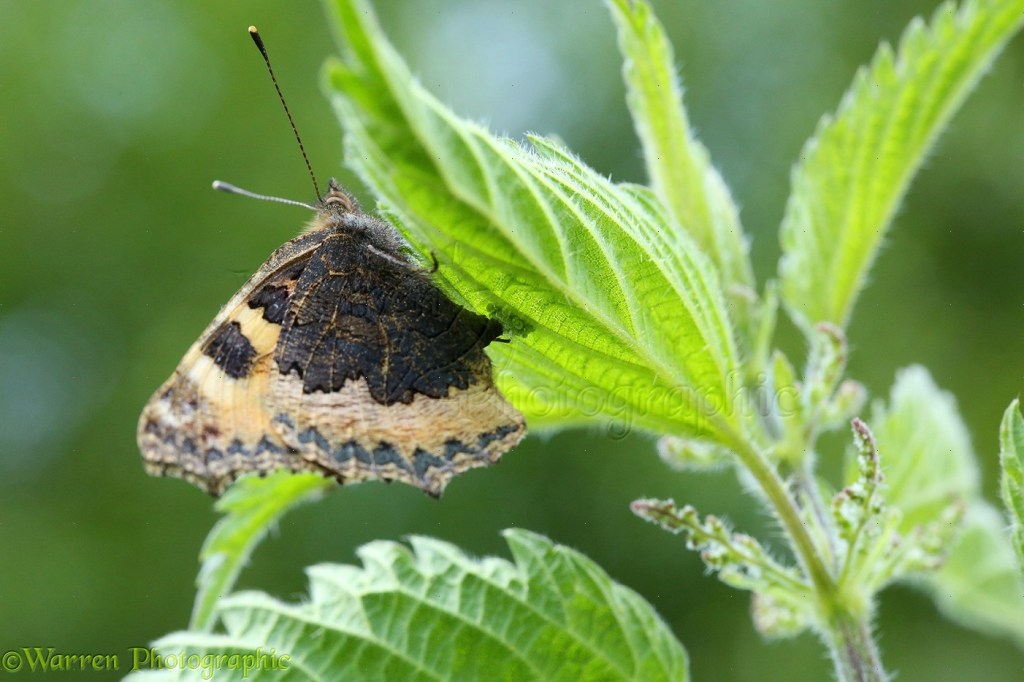
Some of the earliest plants to appear in our garden are the edible natives – Cleavers; Dandelion leaves & flowers; Hairy Bittercress; Sorrel are to name a few. They are all at their best when eaten at this time of year – young fresh shoots, chopped up as a Spring salad, the perfect tonic to cleanse our systems. If you haven’t enjoyed nettle soup before, it is a real treat. There are many recipes to follow, and its rich, peppery, earthy taste is matched with a long list of health benefits. Stinging nettles can also be used to make tea (good for allergies);  a liquid fertiliser for the garden (leave in bucket of water for a month 1:10 ratio of nettles to water, before using again at 1:10 ratio in a watering can); and also a valuable food for butterflies and supporting over 40 different types of insect. Let’s praise the humble nettle patch!
 
A profusion of colour should be brightening up our garden at this time of year – the striking exotic heads of Fritillaria imperialis, the pendulous, feathery catkins of the hazel, and the cheerful wands of yellow flowers of the Forsythia. Now is a good time of year to divide overgrown clumps of perennials. Pop them out with a fork and then use 2 forks back to back to prise them into smaller pieces. Replant the smaller clumps in groups of 3 or so depending on the space you have and add some organic matter. Pot up the remainders and give to a neighbour. It’s the last chance to move any shrubs now, also to finish planting any bare-rooted plants and to cut back ornamental grasses before new growth starts.
 
Towards the end of this month the Spring equinox marks the point in the year when light and dark are in balance – 12 hours of each. A time for new ideas and fresh energy. Why not use this time of year to think how you can use your garden in a positive way to lessen the future impact of a changing climate?

Your garden in February – The edge of Spring?

February signals the start, of the end of the Winter, but can often be one of the coldest, wildest times of year. Waterlogged or frozen soil remind us that it is not quite the time for that flurry of activity in the garden which Spring brings. Keep an eye on the weather, as seeds sitting in the damp and cold soil will show a certain reluctance to germinate. Have a dig round and feel the soil to test for readiness – nothing a thick, warming layer of compost from the compost bins won’t help!

If you’re driven inside by the weather, there’s plenty of preparation and hatching of plans to be doing. Home grown potatoes are an easy crop to grow, you can just use large pots or bags if you don’t have space outdoors, and they taste heaps better than in their shop bought form. ‘Chitting’ or sprouting, is the process of encouraging early growth indoors before planting. Growers Organics in Yealampton  have a good on-line selection. Place seed potatoes with their ‘eyes’ uppermost in eggboxes in a cool, frost-free room. They should be ready to plant out just before Easter, when the sprouts are a few cm long. New potatoes can be expensive to buy, and you can’t beat the satisfaction of gently forking through the soil to pull those white globes towards the soil surface.

You can certainly start planting some seeds indoors on window sills or in the greenhouse, and it can be beneficial to stagger for example tomato plants to avoid everything fruiting at once. Seedy Saturday, if not too late reading this is on Saturday 12th 10-12 in the Methodist church, a great way to minimise environmental impact – locally saved and sourced seeds and a lot cheaper than elsewhere.

Keep providing lots of food for birds. They struggle to find normal food in winter. Hazelnuts, walnuts, chopped apples, carrots and spinach can all be offered to squirrels to help them survive the cold weather. Ponds support more endangered freshwater plants and animals than either rivers or lakes – It is debatable as to whether you should carefully make a hole in the ice if it freezes over, the argument being that oxygen diffuses so slowly through the water it  make little difference. Exceptions to this being if you have fish, or if a big build up of rotting leaves and debris in the pond could cause a build up of toxins. Personally, if a long period of winter weather is due, it certainly does no harm to leave a ball or suchlike floating in the water to keep a small hole.

Out in the garden in January

It may not feel so, but we are in the middle of Winter, the mild temperatures; bulbs starting to emerge from the ground; buds starting to form and swell, it all hints towards the edge of Spring. It’s a time of preparation and planning, making the most of fresh days to get outside, and adjusting your gardening activities with the weather. If frosts are predicted, fork over compacted soil, add organic matter, and use the cold to break up and aerate the earth. Heavy winds coming, then its time to check stakes and ties, take some top growth off vulnerable plants, such as roses or buddleias to prevent wind rock or snapping stems. If heavy rain, then give greenhouse glass, pots, and paving slabs a good scrub with an organic washing up liquid to remove algae and let the rain do all the rinsing for you. Any chance to do some jobs now can ease the gradual build of tasks that come over the next months.

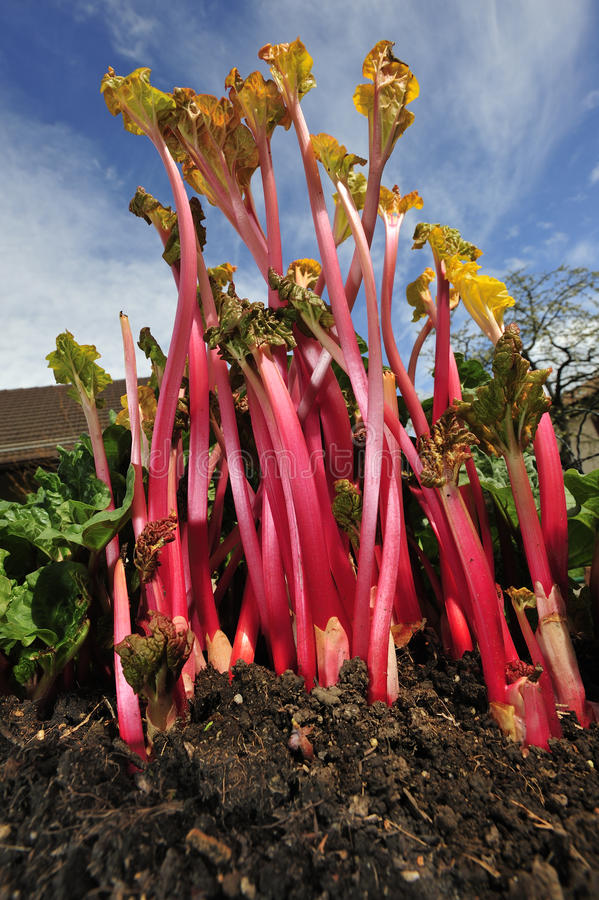
If you are lucky enough to have an established rhubarb plant, now is the time to cover the crowns to force some of those unbeatable, tender, bright red fresh stems that you will see outside your local greengrocers. Place a bucket or a pot over the plant to encourage these fresh stems. Ideally you would have a couple of plants to avoid forcing the same crown every year, and within 6 weeks or so, you will be rewarded with the sweetest stems as an early Spring treat!

Pruning apple trees can be a daunting task, encouraging new growth whilst avoiding just giving the tree a ‘haircut’. It can be exasperating to cut back lots of growth and to be greeted with the same next year after a poor crop. Try and stagger the pruning throughout the height of the tree and think of it as more of a thinning process, and remember if you are following a pictorial guide, your tree will rarely look like the perfect example in the picture! Keep an eye on the bits you are cutting out as some make great supports for the lower growing vegetable such as sugar snaps or broad beans.

‘Rewilding’ is a big picture approach to help nature recover and flourish.  In our own gardens, a scaled down version of rewilding can be used, our gardens can become sanctuaries for birds, bees, and other little critters. The answer, some may be disappointed to hear isn’t total neglect – it’s more trying to create as many diverse habitats and floral variety around your garden, seeing your garden through natures eyes. Now is the time of year to reflect on previous cycles, hatch new ideas, plan, and implement  how we can use our garden to the greatest benefit of the environment.

Your greener garden in December

This can feel like a hectic time of year, everything seems to be heading towards Christmas, and there can be so much to squeeze in before the holidays start. However, head outside and there is a real stillness in the garden, and surrounding countryside. The shorter days bring little growth above surface, but below the ground, roots are growing, bringing stability and strength – a wise lesson for us as we head into the dark of the Winter. I love the quiet reflectiveness that these months can bring.

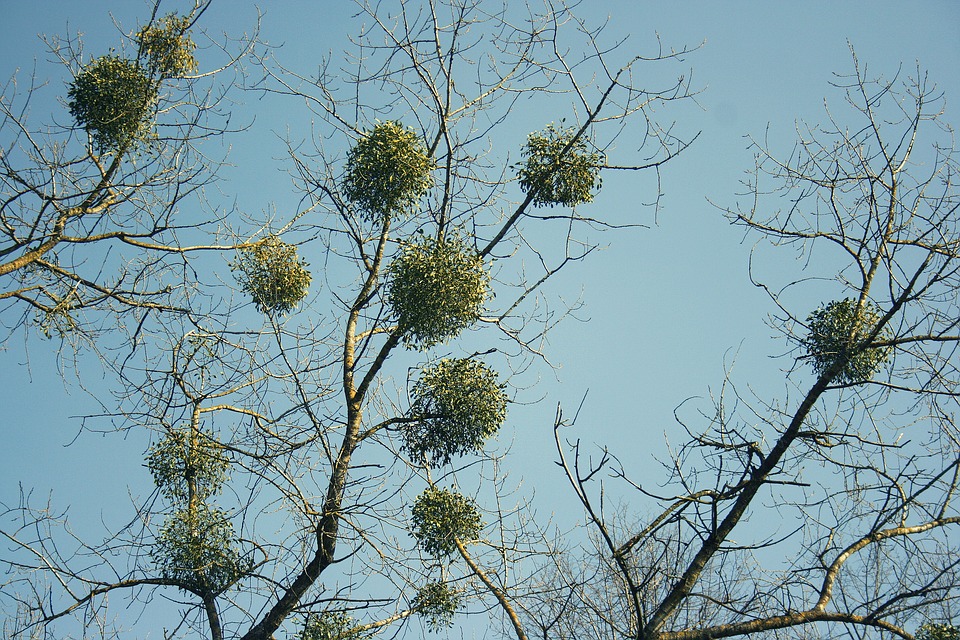
Many plants come into their element at this time of year – the unusual balls of mistletoe, anchored into trees with its sucker-like roots are a real visual treat high-up in the bare branches. There are some beautiful plants for us to enjoy which are essential to keep wildlife fed through the colder months. These are often the most fragrant of plants as they try and lure the diminished numbers of pollinators to their flowers. Lonicera fragrantissima –  not a climber like many other Honeysuckles, but a semi-evergreen bushy shrub with highly fragrant creamy-white, tubular flowers; Viburnum x bodnantense ‘Dawn’ –  an upright deciduous cultivar which bear dense clusters of intensely fragrant flowers on bare branches are just starting to appear; and one of my favourites, Hamamelis or Witch Hazel well known for its beautiful clusters of spidery flowers and its medicinal properties.

The bare branches of winter make it easier to see the birds active in your garden. Some birds travel hundreds of miles to overwinter in the UK such as the Redwing. This bird has distinctive red patches on the underside of the wing, similar in size to a thrush, and in harsh weather may take refuge in our gardens. Keep birds well-fed especially as temperatures drop and leaving your garden that bit untidy and ‘wild’ can encourage those natural food cycles in the garden. Don’t forget to regular clean your feeders, dirty feeders have been linked to a decline in many species by spreading killer diseases.

Its worth giving any over-wintering plants in the greenhouse a blast of fresh air on a milder day to stop them getting used to being pampered, also good for any pests and disease that can build up in the warmer greenhouse. Sweet peas can be sown indoors or in greenhouses this month – these are wonderful flowers to cut for the house (the carbon-footprint of cut flowers can be horrendous, often grown thousands of miles away and flown over in refrigerated airplane holds) – they are also a great flower for summer pollinators. Prune any tall roses or climbers that may be a victim to strong winds and whilst you have secateurs handy, now is a good time to transplant shrubs or perennials – I usually give them a good cut back to reduce stress and a good helping of compost to help settle them into their new home.

Earth Friendly Gardening in November


The end of Autumn beckons; stronger wilder, windier weather; shortening; darker days. The garden can appear to respond in retreat, leaves falling, bare stems folding inwards, everything slowly returning to the Earth. It can be a busy time, carpets of leaves to add to the leaf mould pile, cold mornings reminding us to bring frost-tender plants into the greenhouse such as dahlias and tender salvias. I seem to have spent most of the last month putting in 1000s of bulbs, from the lovely Leucojum (summer snowflake) drifting down a stream edge to the elegant Narcissus ‘Silver Chimes’ bringing its sweet scent to a secret seating area. It’s always worth taking time to ensure you have bulbs in the right location and at the right depth and you’ll be rewarded with years of enjoyment, pulling us from the slumber of the colder months to the joys of Spring.

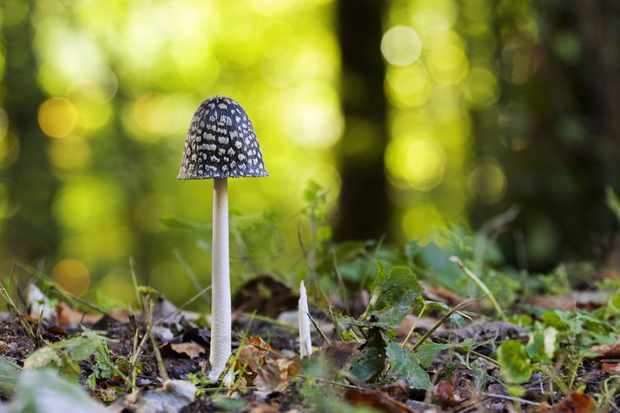
It hard to not be in awe at the Kingdom of fungi at this time of year. These wizards of the natural world are essential parts of our eco-systems, breaking down, decomposing matter, building plants immune systems, and increasing the availability of nutrients to the soil and our plants. The sign of them in our garden is usually a sign of a healthy, vibrant soil and I encourage people to enjoy them as they would plants. Life as we know it on earth today may not exist without them. The earliest, truly complex organisms on land were fungi, hundreds of millions of years ago turning rocks into soil, making plant life, and subsequently, animal life possible.

Although many of us feed the birds, a great way to attract more feathered friends is with a bird bath. Birds need water for both drinking and cleaning their feathers, If you don’t have a bird-bath, a saucer on the ground can provide water and may also be used by creatures at ground level. Birds don’t hibernate, so food sources such as holly, ivy, rowan; generally shrubs that bear berries/ seeds during the winter months are a real help. This and a range of feeders topped up with a range of foods can be a life-line as we enter the scarcer months of Winter.

The next few months are a great time to plant bare-rooted hedges. They are inexpensive to buy, (and post), and arrive looking like a load of long sticks. Hedges don’t have to just go round the perimeter of a garden, they can be a great design aid to split the garden into sections, create some interest, direct the view, frame a feature etc. We are spoilt in the UK with some great native hedging, hawthorn, Spindle, Dog-rose & Hazel, some lovely Autumn colours, berries, fruits & edible nuts and benefit for the wildlife – from toads hibernating in the debris at the base, to birds enjoying rose hips in the Winter. Ashridge or Thornhayes nurseries, are local suppliers with a good selection, so why not put a hedge in the middle of your garden?

Gardening in a changing climate – OCTOBER

We can all feel a shift in the weather at this time of year – The growth cycle is settling and wildlife and plants are responding to the wilder pull of the winter months.  This is a beautiful time of year. There is a richness of colour and abundance of fruits, nuts and berries, attractive not only to us but to all types of wildlife, be sure not to ‘tidy’ them up too early – Native species such crab apple, holly, elder, birch or hawthorn, will be sure of creating natural food supplies for birds through the winter.

There is something profound about the potential within seeds to produce such a variety of forms, shapes, and sizes. Now is a great time of year to be harvesting, saving, storing or maybe even sowing seeds of many types. Trees seeds such as acorns, hazel nuts, holly berries, elder berries and hawthorn nuts (haws), can all be planted straight away into pots of compost or holding beds and watered well – they should sprout in the Spring. Other flowering plants such as poppies, cornflowers, sweet peas, lady’s mantle will be producing an abundance of seeds – save some in an air-tight container but also sprinkle some around to self-germinate and leave some for the birds to enjoy. Don’t forget to do the same for seeds from the edible garden such as beans and tomatoes.  We can get into the habit of just buying new seeds every year when there is an abundance right there – an easy way to tread more lightly on this earth.

Planting bulbs is one of the simple pleasures of Autumn that gives pleasure for many Springs to come. Why not try some more of the beautiful native bulbs we have that are suited to our climate? Chives, (Allium schoenoprasum) look beautiful, taste delicious, heralded as a great ‘companion’ plant and produces amazing dry flowers – loves a sunny spot. For the damper, shadier corners, how about a Loddon Lilly (Leucojum aestivum), an elegant snow-drop-like, damp meadow and woodland edge plant. I keep adding more plants into and beneath my lawn – many bulbs will push up and through turf, native daffodils, anemones, bluebells, star of Bethlehem. Lift the turf, loosen the soil, plant at required depth (usually 3-4 times the height of bulb), and put the turf back -a more beautiful lawn, and beneficial to the wildlife you share your garden with.

In the vegetable garden, it’s the last chances to plant Spring cabbages, garlic & onion sets. Broad beans can also be sown now and may give you an earlier crop next year. Pick last of beans and peas; finish lifting maincrop potatos and lift carrots and beetroots, use anything slightly damaged first and store the rest. Composting is an easy way to turn what some view as waste into a freely available rich soil improver which encourages healthy plants, conserves moisture, locks carbon into the soil, improves soil structure and biodiversity and also reduces pressure on local services, fuel costs for collection, the list goes on and on! It’s an easy, straight forward activity but is also a fascinating subject once you start delving into the micro-worlds within! On Wednesday 13th October 7PM, CEBH are hosting a talk on composting from Nicky Scott. You can join us in person or on Zoom. (Contact cebh@boveytracey.gov.uk). I tend to empty out my compost bins now before anything settles inside for the  Winter months, and spread it as a thick mulch wherever needs it most – It is better to give enough to a small area rather than spread too thinly.

E.F.G – Earth Friendly Gardening in SEPTEMBER

E.F.G – Earth Friendly Gardening

September can feel like a turning point in the yearly cycle. Wilder winds blowing in to remind us that all is slowing down but there can still be real warmth in the air to enjoy. Gardens hint at the transition from late Summer into Autumn, the first reddish tints of foliage and a pull towards the quieter months as fruits and berries swell, nuts form and a chance to give thanks and enjoy the bountiful harvests from the productive garden.

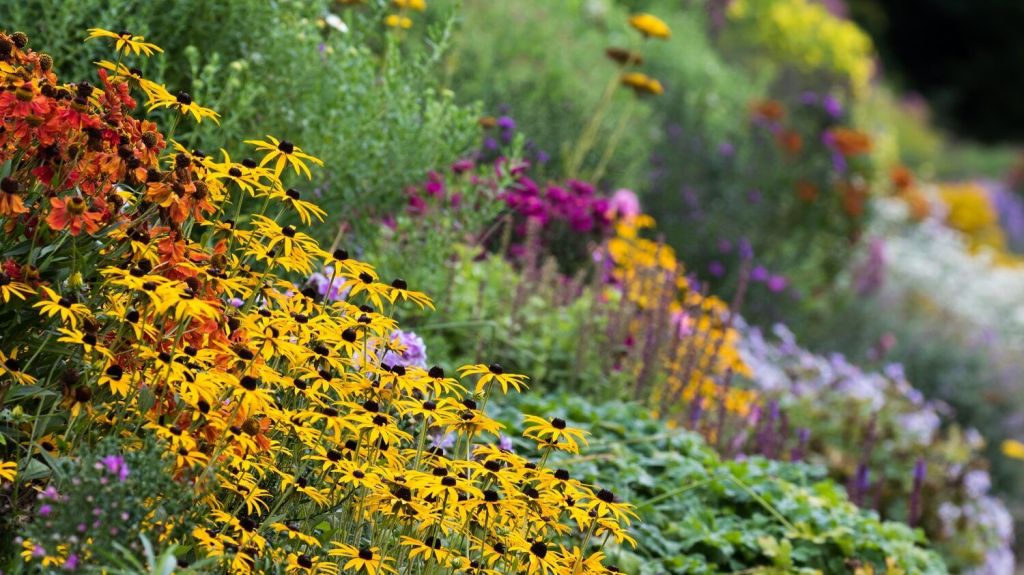
In the ornamental garden, it can be tempting to clear anything that starts to look ‘messy’. One option which I encourage people to try is to leave everything to die back naturally, composting itself and feeding the soil. This year I will be trying a more balanced approach – some areas I may cut back where too congested, mulching well with home-made compost, and let the creatures of the soil pull all that goodness down into the ground over the winter months. I leave as many seed-heads as I can and ensuring there are lots of safe places for wildlife to hibernate. As plant energy sinks down into the roots, this is a great time to divide or move perennials – clump forming plants can be split by a sharp spade & potted up or moved elsewhere. There is still lots of show-stopping colour at this time of year – Sedums; Rudbeckias; Clematis Viticella and of course ornamental grasses are a late treat for us and those that share our garden to enjoy.

According to Keats, Autumn is the season of mists and mellow fruitfulness. Its also the real harvest time, a time of celebration of Earths abundance and hopefully our own plentiful crops. Any vegetable ‘calendar’ will be full of the ‘harvest’ symbol during this month – pickle; dry; preserve; bottle; chutney. These can feel like disappearing arts but there is nothing more encouraging than sight of shelves laden with full bottles & jars, strings of onions or trays of apples. Hopefully we’re not at a stage where we need these to survive the winter months, but it can certainly encourage us to eat more seasonally. Health experts and chefs alike are now quick to discuss the benefits to us of eating different foods at certain times of the year. If you don’t have a productive garden, it only seems common sense to carry such ethics over to grocery shopping. Local, smaller grocery stores often have a list of what is in season and what is coming from a farm up the road rather than thousands of miles away.

You can sow green manures as space appears on any vegetable beds – these are living plants that capture renewable sunlight energy and turn it into soil-enriching organic matter. However you don’t need a garden to grow microgreens – a warm spot inside is all they require. Often flying the flag as a ‘superfood’, this eco-friendly food can be raised in days and eaten all year round. They can be grown in trays or tiered sprouters.  Ensure you get your seeds from organic sources and rinse thoroughly before putting them to sprout. Seeds like fenugreek and mung beans can be enjoyed in salads, stir-fries or sandwiches – it’s as easy and simple as that! Gardening is not always the ‘green’ activity it is touted as. Any queries regarding how to use your garden in a more earth friendly way, just email me on dartmoorgardens@hotmail.com.

Planet-friendly gardening in July

GREEN GARDENING IN JULY

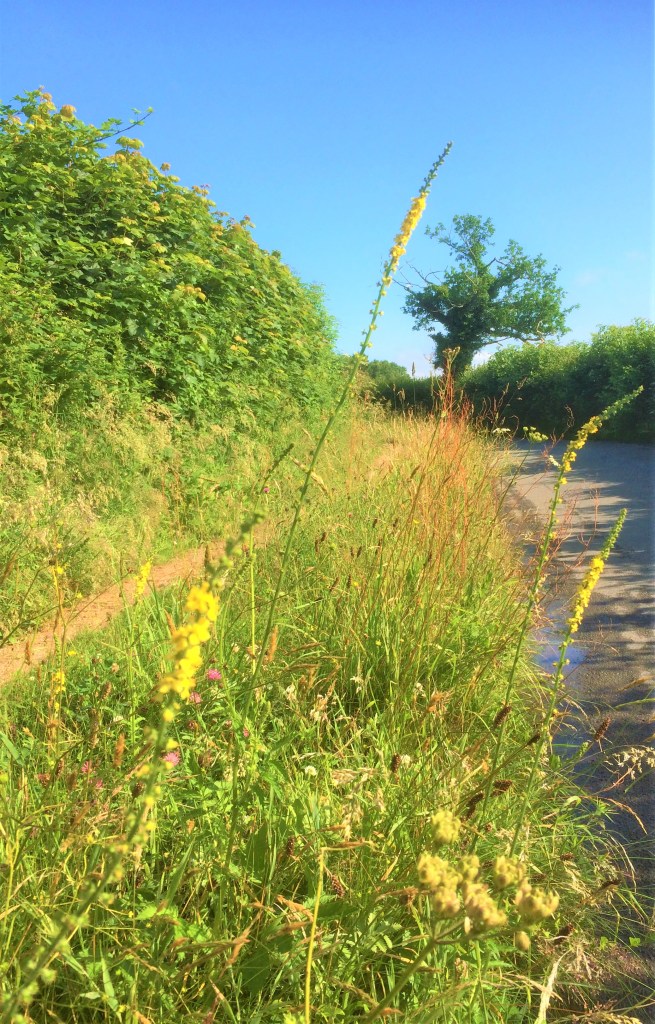
It is the height of Summer, temperatures are rising, and plants are celebrating their own beauty in abundance of flowers, colours, and forms. As I wonder round the lanes, I love to note the wild edges creeping in, the tendrils of the brambles making a low grab for your ankles; the clouds of meadowsweet flopping under their own billowing flower heads; the spires of agrimony amongst the bobbing grass seed-heads. Chapple lane has some beautiful examples of how nature can look at its best untamed, something which is hard to recreate ourselves. The local Bovey Tracey Wildflower group are doing a great job of this, and all the hard work behind the scenes is now paying off with verges that reflect their efforts with huge benefits for our local wildlife as well as our own enjoyment.

In our own gardens, borders are fit to bursting with colour, and long Summer evenings give us all plenty of opportunity to sit and enjoy our outdoor space. For intensity of colour and perfume, roses and lavender are hard to beat right now, (a classic combination), and it is a perfect time to wander round the garden with a notebook to see what is working and what may need changing. I always keep a pair of secateurs handy to stay on top of dead-heading to encourage more flowers. Just cut back to a bud in a leaf axil lower down the stem. There are always exceptions, such as roses that produce attractive hips which are enjoyed by the birds in Autumn. Why not take some semi-ripe cuttings? – showy hydrangeas are easily propagated at this time of year. Just take a non-flowering shoot 10cm long just above a bud and remove lower leaves. Put in a shady corner, cover with a polythene bag and lightly water every few days. In about 4 weeks the cutting should have rooted, and you can pot up to plant out next Spring.

Keep an eye on any seed heads of early spring plants such as cowslips and primroses which will be ripening about now. Spread them out on paper and sort through them, discarding any that do not look perfectly formed. Let them dry thoroughly before storing them in labelled envelopes for sowing in Autumn or Spring. Growing from seed is a rewarding and eco-friendly way to raise plants and a quick way to reduce ‘plant miles’. Don’t be disheartened by failures, experiment and see what works best, do a bit of research on the plant and mimic how the seeds would germinate in the wild. The most important things are to use a fine compost to sow the seeds, and similarly a fine rose on a watering can to water.

In the productive garden, there is more cropping than planting to be done – most edibles taste better when younger. Harvest garlic and onions when the leaves begin to turn yellow and flop. Lift an early potato to see if ready to harvest. Stop tomato plants (pinch out the growing tip), when they reach 4 trusses so they can put all their energy in ripening the fruit they already have. Likewise with climbing beans, stop them when they reach the top of their supports and pick every couple of days. If strawberries have finished, drastically go over the whole plant with a pair of shears and remove any old straw, new fresh healthy foliage will soon emerge. Prune currant and gooseberry bushes – think, open ‘goblet’ shapes, remove any crossing branches, approx. 1/3 of old wood, this allows more air to circulate and lets more light to ripen fruits. You can still sow peas, beans, beetroot, lettuce and carrots till the end of this month,

Every day seems to be marked as an ‘International Day of Something’, but “World Nature Conservation day” on the 28th July, seems especially important to us all. This day is to remind humankind about the importance of nature and the need to protect it. The day is marked globally to spread awareness about the best practices to protect our natural resources. Our gardens and the way we interact with them is an easy, attainable place to start. If you need any ideas or inspiration how to do this contact dartmoorgardens@hotmail.com or cebh@boveytracey.gov.uk, take advantage of FREE monthly garden visits or attend the next Climate Emergency Bovey Heathfield public meeting. You can browse previous monthly ideas at www.dartmoorgardens.org. Don’t miss the local Friends of Mill Marsh park event, tree trails, kids arts & crafts on July 24th 2-4 in the park, a great opportunity to learn more about some of the amazing wildlife we have on our doorstep.

The edge of Summer

GREENER GARDENING IN JUNE

What a difference a few weeks can make, the end of those sneaky frosts, average temperatures creeping higher, the garden and its inhabitants feeling the power of the Sun – it feels like the whole garden is transitioning and moving to a new phase. Ornamental borders are starting to look at their best, foliage still has that zesty freshness and flower buds on the edge of bursting forth. As we edge into Summer, this is the season of flowers, nature celebrating its own beauty with its vast range of floral colours, shapes, and scents.

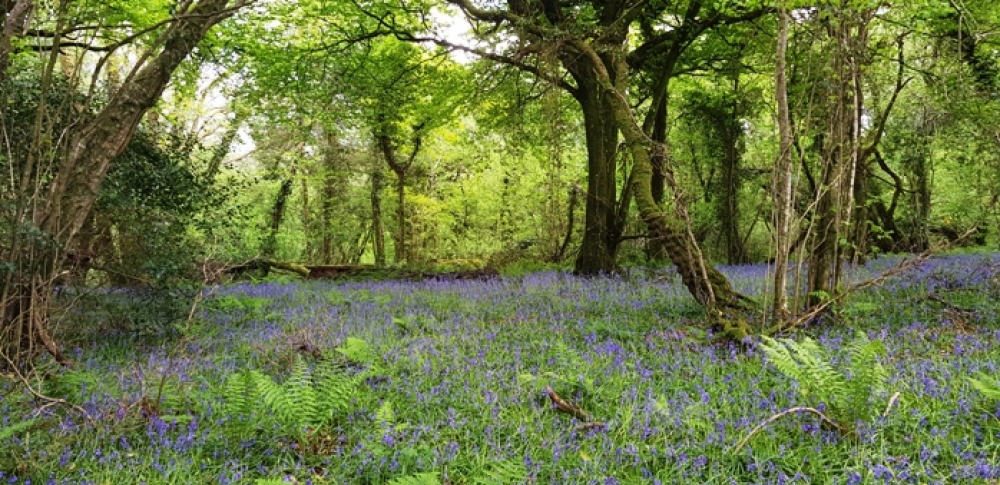
Join in with the celebrations on hedgerow walks, campion, dog roses, red & white dead- nettles scattered amongst the thickets. It is difficult to create such a natural looking, pastel tapestry in our own gardens. Often the answer is just to back off from our attempts to control and see what happens. Woodland walks can be a cool escape from the hotter days, woodland trees soon in full leaf keeping the ground cool and surprisingly damp. Enjoy the woodland glades, fronds of bracken, flowering brambles, and magenta foxgloves. I often receive a collective, rebellious groan as I suggest passing through these areas of intense secret activity in silence, but the summer woods ‘timelessness’ atmosphere is undeniable.

Back at home in our gardens, unwanted plants will compete for light and nutrients so the best way to stay on top of weeds is to regularly hoe the seedlings, using a sharp hoe to sever the young weeds just below the surface level – on a hot day you can just leave them to shrivel up on the ground. Bigger weeds forked out by hand can be left on the surface of the soil as a temporary mulch or added as a ‘green’ to the compost. Once you start to get excited about the appearance of certain ‘weeds’, it can change your whole relationship with them. Some of the more persistent, tougher weeds can be left submerged in a bucket of water for 4-6 weeks before being added to the compost.  

A great plant to tuck away in a difficult corner is comfrey, an organic gardeners best friend. Its leaves are rich with all the essential nutrients. A reliable variety is ‘Bocking 14’, attractive purple flowers for us and beloved by bees, it can eliminate the need to buy expensive fertilisers. Harvest the hairy leaves and pack them into a water-tight container, ideally with a brick on the top to weigh them down, a lid will reduce any stagnant smells. Over a number of weeks, the leaves will break down and release a nutrient rich liquid. This can used, diluted at 1:10 with water for a rich feed for hungry plants. Top up with fresh comfrey leaves and start again.

In the productive garden, I use plastic bottles cut in half for watering the fussy plants. Cut the end off a bottle and sink into the ground, neck first, sometimes a small stick is necessary to keep them up. You can then ensure that you are not wasting water by splashing it away from roots and washing away soil. Also by topping to the same point every time you can ensure the tomatoes are getting the same amount of water regularly to prevent skins from splitting. Tomatoes are one of the few edibles that benefit from the regular, smaller amounts of water, rather than a once weekly decent soak.

The affect and influence of money runs deep in our culture and it is an area where we have direct control and responsibility not only where it is earnt, but also where we spend it. This can be a very powerful message. Small decisions, from using harvested hazel supports for our plants instead of bought plastic canes; to making our own fertilisers versus buying carbon heavy, wildlife destroying chemicals; to shopping locally, can all perpetuate what kind of world we want to live in.