Gardening in a climate friendly way is more essential that ever. You don’t need to dig deep to find scientific reports of catastrophic declines in species of nature in many forms. From soil ‘dead’ of microbes, plants struggling to adapt to a changing climate, disappearing species of animal, to the larger planet-wide changes to natural habits and eco-systems – it doesn’t make for chirpy bedtime reading. Having a garden, or some form of outdoor space is a privilege and an opportunity to form an intimate bond with the wider world. The gardens of the UK, and other amenity green spaces make up more area than the national parks, and there is the opportunity to make a positive and rewarding difference, as well as deriving all the pleasure that gardening brings.
There are many ways to garden in a sustainable, planet-friendly way – growing crops; harvesting sunlight & water; composting; re-using & recycling materials; boosting biodiversity; transforming lawns. All such activities have thousands of accessible articles/ books at our fingertips. However, we only need to look closer at the garden to get a feel for the connections of this interlocking web within the garden and how that extends to the wider environment.
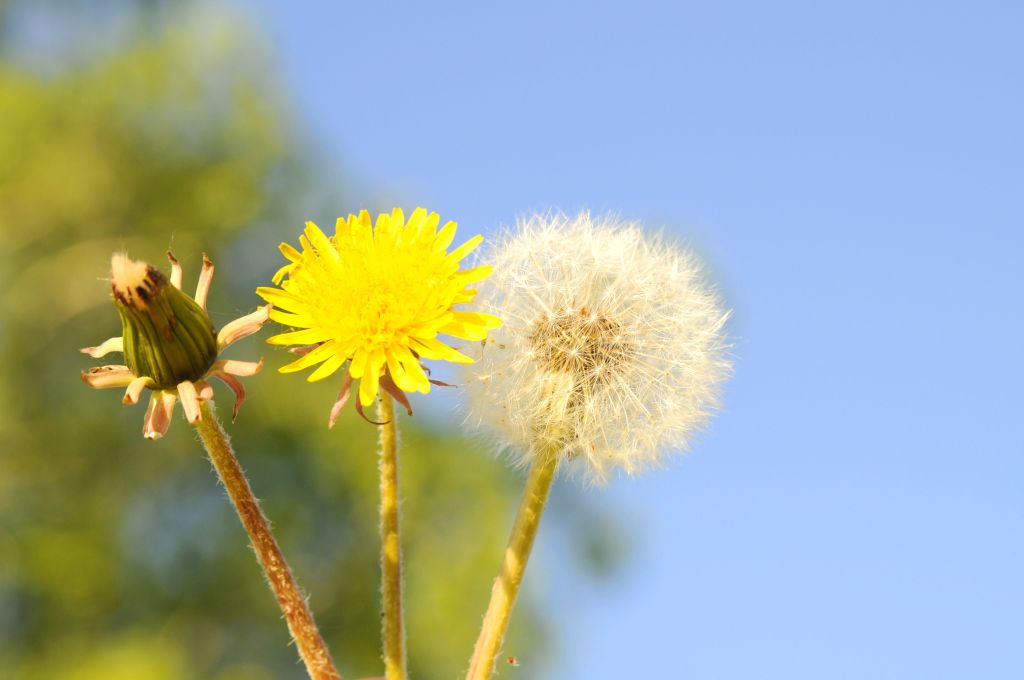
Why not spend a little time to get to really know some plants in our garden on a much deeper level. One plant a week, and you’ll soon look at your garden differently. In my front lawn, the dandelions squeeze through the competing grass. Before our 20th century obsession with neat lawns, people used to remove the grass to make way for dandelions. Delve into its folklore – the only plant to represent the celestial bodies of the sun, moon, and stars (flowers/ globe seed head/ individual seeds). Still widely used in Chinese and herbal medicine; roots still utilised as a beverage; young leaves in salads, latex from the sap providing the former Soviet Union with rubber needed for its war efforts; dandelion wine; a spring green pickle; flower oil for joints – where do you stop?
Boosting the variety of life our garden supports largely depends on our provision of wildlife friendly habitats. Bumblebees, tiger moths, solitary bees and honeybees all visit dandelions for food, along with hoverflies, beetles, and butterflies such as the peacock and holly blue. Goldfinches and house sparrows eat the seed. Take a magnifying glass to a dandelion, and if you don’t get lost in the intricacies of its form, you may come across grasshoppers, mites, lady-birds or lacewings. A garden without the buzzing of insects is a very dispiriting place.
Another corner stone of climate friendly gardening is soil care. Adding organic matter to the soil will encourage healthier plants, reduce watering, reduce weeding, improve soil structure, increase microbial life and also lock carbon into your soil, reducing the build-up of greenhouse gases. The increasingly, fascinating dandelion, can also have a part to play. Its long tap root pulls nutrients closer to the surface that are previously unavailable to other plants and help lock nitrogen in the soil. If you don’t want to waste the leaves on feeding yourself, add the nutrient rich leaves to the compost heap or you can make a liquid feed – avoiding quick-fix, energy intensive fertilisers.
Dandelions have a significant ability to adapt to local environments with increasingly scarce resources – they can adjust leaf angles; produce more rounded ‘shade leaves’; grow taller stems to access potential pollinators; speed up time taken to flower, create and disperse seeds. This plasticity, and adaptability is a valuable lesson for us humans to learn from. We are very clever animals but throughout history, civilisations have collapsed when we separate ourselves from the natural world. This very system, the earth itself, the one thing we can depend upon to sustain life, continues to be systemically trashed as we push its limits further. Unless we can see ourselves as completely embedded in nature, future generations will face the harsh consequences.
 Dartmoor Gardens