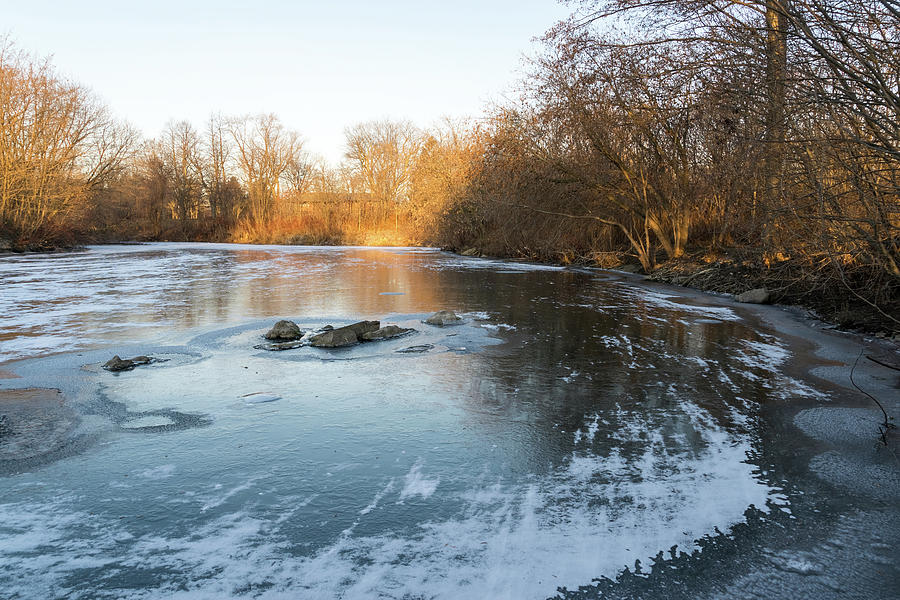
February signals the start, of the end of the Winter, but can often be one of the coldest, wildest times of year. Waterlogged or frozen soil remind us that it is not quite the time for that flurry of activity in the garden which Spring brings. Keep an eye on the weather, as seeds sitting in the damp and cold soil will show a certain reluctance to germinate. Have a dig round and feel the soil to test for readiness – nothing a thick, warming layer of compost from the compost bins won’t help!
If you’re driven inside by the weather, there’s plenty of preparation and hatching of plans to be doing. Home grown potatoes are an easy crop to grow, you can just use large pots or bags if you don’t have space outdoors, and they taste heaps better than in their shop bought form. ‘Chitting’ or sprouting, is the process of encouraging early growth indoors before planting. Growers Organics in Yealampton have a good on-line selection. Place seed potatoes with their ‘eyes’ uppermost in eggboxes in a cool, frost-free room. They should be ready to plant out just before Easter, when the sprouts are a few cm long. New potatoes can be expensive to buy, and you can’t beat the satisfaction of gently forking through the soil to pull those white globes towards the soil surface.
You can certainly start planting some seeds indoors on window sills or in the greenhouse, and it can be beneficial to stagger for example tomato plants to avoid everything fruiting at once. Seedy Saturday, if not too late reading this is on Saturday 12th 10-12 in the Methodist church, a great way to minimise environmental impact – locally saved and sourced seeds and a lot cheaper than elsewhere.
Keep providing lots of food for birds. They struggle to find normal food in winter. Hazelnuts, walnuts, chopped apples, carrots and spinach can all be offered to squirrels to help them survive the cold weather. Ponds support more endangered freshwater plants and animals than either rivers or lakes – It is debatable as to whether you should carefully make a hole in the ice if it freezes over, the argument being that oxygen diffuses so slowly through the water it make little difference. Exceptions to this being if you have fish, or if a big build up of rotting leaves and debris in the pond could cause a build up of toxins. Personally, if a long period of winter weather is due, it certainly does no harm to leave a ball or suchlike floating in the water to keep a small hole.
 Dartmoor Gardens