It may not feel so, but we are in the middle of Winter, the mild temperatures; bulbs starting to emerge from the ground; buds starting to form and swell, it all hints towards the edge of Spring. It’s a time of preparation and planning, making the most of fresh days to get outside, and adjusting your gardening activities with the weather. If frosts are predicted, fork over compacted soil, add organic matter, and use the cold to break up and aerate the earth. Heavy winds coming, then its time to check stakes and ties, take some top growth off vulnerable plants, such as roses or buddleias to prevent wind rock or snapping stems. If heavy rain, then give greenhouse glass, pots, and paving slabs a good scrub with an organic washing up liquid to remove algae and let the rain do all the rinsing for you. Any chance to do some jobs now can ease the gradual build of tasks that come over the next months.
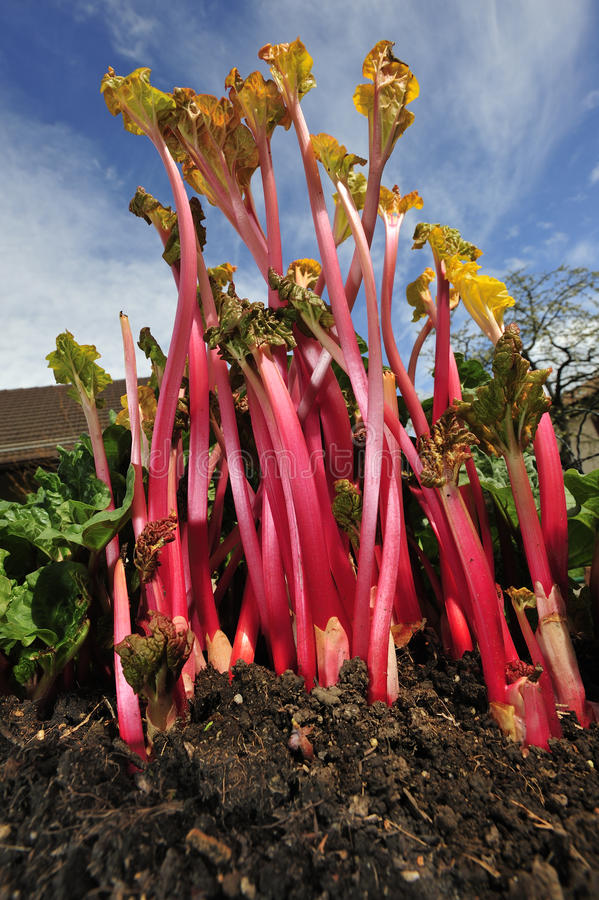
If you are lucky enough to have an established rhubarb plant, now is the time to cover the crowns to force some of those unbeatable, tender, bright red fresh stems that you will see outside your local greengrocers. Place a bucket or a pot over the plant to encourage these fresh stems. Ideally you would have a couple of plants to avoid forcing the same crown every year, and within 6 weeks or so, you will be rewarded with the sweetest stems as an early Spring treat!
Pruning apple trees can be a daunting task, encouraging new growth whilst avoiding just giving the tree a ‘haircut’. It can be exasperating to cut back lots of growth and to be greeted with the same next year after a poor crop. Try and stagger the pruning throughout the height of the tree and think of it as more of a thinning process, and remember if you are following a pictorial guide, your tree will rarely look like the perfect example in the picture! Keep an eye on the bits you are cutting out as some make great supports for the lower growing vegetable such as sugar snaps or broad beans.
‘Rewilding’ is a big picture approach to help nature recover and flourish. In our own gardens, a scaled down version of rewilding can be used, our gardens can become sanctuaries for birds, bees, and other little critters. The answer, some may be disappointed to hear isn’t total neglect – it’s more trying to create as many diverse habitats and floral variety around your garden, seeing your garden through natures eyes. Now is the time of year to reflect on previous cycles, hatch new ideas, plan, and implement how we can use our garden to the greatest benefit of the environment.
 Dartmoor Gardens