This can feel like a hectic time of year, everything seems to be heading towards Christmas, and there can be so much to squeeze in before the holidays start. However, head outside and there is a real stillness in the garden, and surrounding countryside. The shorter days bring little growth above surface, but below the ground, roots are growing, bringing stability and strength – a wise lesson for us as we head into the dark of the Winter. I love the quiet reflectiveness that these months can bring.
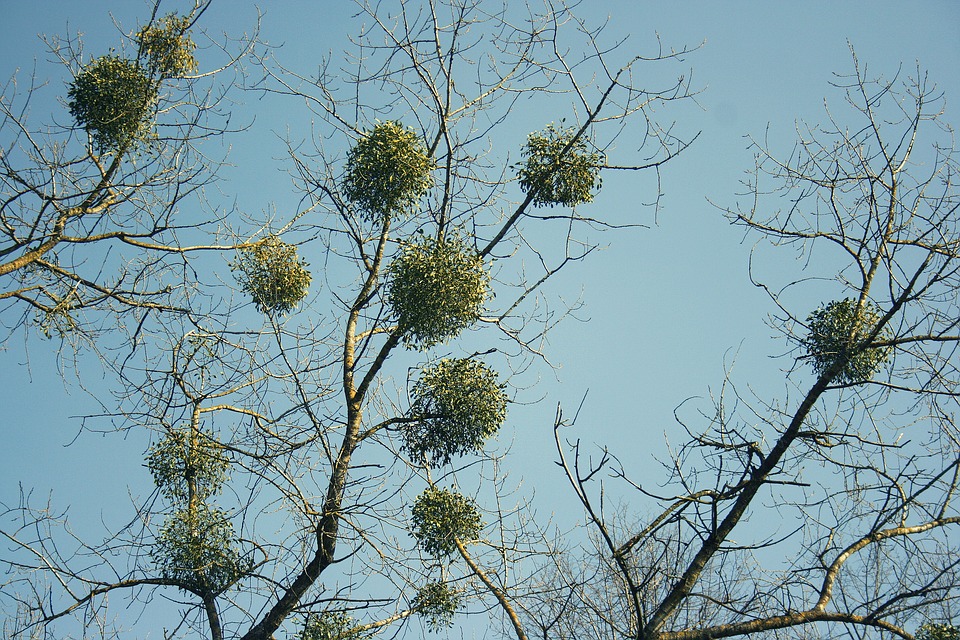
Many plants come into their element at this time of year – the unusual balls of mistletoe, anchored into trees with its sucker-like roots are a real visual treat high-up in the bare branches. There are some beautiful plants for us to enjoy which are essential to keep wildlife fed through the colder months. These are often the most fragrant of plants as they try and lure the diminished numbers of pollinators to their flowers. Lonicera fragrantissima – not a climber like many other Honeysuckles, but a semi-evergreen bushy shrub with highly fragrant creamy-white, tubular flowers; Viburnum x bodnantense ‘Dawn’ – an upright deciduous cultivar which bear dense clusters of intensely fragrant flowers on bare branches are just starting to appear; and one of my favourites, Hamamelis or Witch Hazel well known for its beautiful clusters of spidery flowers and its medicinal properties.
The bare branches of winter make it easier to see the birds active in your garden. Some birds travel hundreds of miles to overwinter in the UK such as the Redwing. This bird has distinctive red patches on the underside of the wing, similar in size to a thrush, and in harsh weather may take refuge in our gardens. Keep birds well-fed especially as temperatures drop and leaving your garden that bit untidy and ‘wild’ can encourage those natural food cycles in the garden. Don’t forget to regular clean your feeders, dirty feeders have been linked to a decline in many species by spreading killer diseases.
Its worth giving any over-wintering plants in the greenhouse a blast of fresh air on a milder day to stop them getting used to being pampered, also good for any pests and disease that can build up in the warmer greenhouse. Sweet peas can be sown indoors or in greenhouses this month – these are wonderful flowers to cut for the house (the carbon-footprint of cut flowers can be horrendous, often grown thousands of miles away and flown over in refrigerated airplane holds) – they are also a great flower for summer pollinators. Prune any tall roses or climbers that may be a victim to strong winds and whilst you have secateurs handy, now is a good time to transplant shrubs or perennials – I usually give them a good cut back to reduce stress and a good helping of compost to help settle them into their new home.
 Dartmoor Gardens