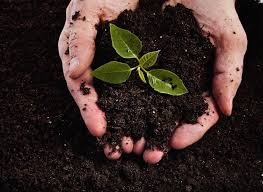
We can all feel a shift in the weather at this time of year – The growth cycle is settling and wildlife and plants are responding to the wilder pull of the winter months. This is a beautiful time of year. There is a richness of colour and abundance of fruits, nuts and berries, attractive not only to us but to all types of wildlife, be sure not to ‘tidy’ them up too early – Native species such crab apple, holly, elder, birch or hawthorn, will be sure of creating natural food supplies for birds through the winter.
There is something profound about the potential within seeds to produce such a variety of forms, shapes, and sizes. Now is a great time of year to be harvesting, saving, storing or maybe even sowing seeds of many types. Trees seeds such as acorns, hazel nuts, holly berries, elder berries and hawthorn nuts (haws), can all be planted straight away into pots of compost or holding beds and watered well – they should sprout in the Spring. Other flowering plants such as poppies, cornflowers, sweet peas, lady’s mantle will be producing an abundance of seeds – save some in an air-tight container but also sprinkle some around to self-germinate and leave some for the birds to enjoy. Don’t forget to do the same for seeds from the edible garden such as beans and tomatoes. We can get into the habit of just buying new seeds every year when there is an abundance right there – an easy way to tread more lightly on this earth.
Planting bulbs is one of the simple pleasures of Autumn that gives pleasure for many Springs to come. Why not try some more of the beautiful native bulbs we have that are suited to our climate? Chives, (Allium schoenoprasum) look beautiful, taste delicious, heralded as a great ‘companion’ plant and produces amazing dry flowers – loves a sunny spot. For the damper, shadier corners, how about a Loddon Lilly (Leucojum aestivum), an elegant snow-drop-like, damp meadow and woodland edge plant. I keep adding more plants into and beneath my lawn – many bulbs will push up and through turf, native daffodils, anemones, bluebells, star of Bethlehem. Lift the turf, loosen the soil, plant at required depth (usually 3-4 times the height of bulb), and put the turf back -a more beautiful lawn, and beneficial to the wildlife you share your garden with.
In the vegetable garden, it’s the last chances to plant Spring cabbages, garlic & onion sets. Broad beans can also be sown now and may give you an earlier crop next year. Pick last of beans and peas; finish lifting maincrop potatos and lift carrots and beetroots, use anything slightly damaged first and store the rest. Composting is an easy way to turn what some view as waste into a freely available rich soil improver which encourages healthy plants, conserves moisture, locks carbon into the soil, improves soil structure and biodiversity and also reduces pressure on local services, fuel costs for collection, the list goes on and on! It’s an easy, straight forward activity but is also a fascinating subject once you start delving into the micro-worlds within! On Wednesday 13th October 7PM, CEBH are hosting a talk on composting from Nicky Scott. You can join us in person or on Zoom. (Contact cebh@boveytracey.gov.uk). I tend to empty out my compost bins now before anything settles inside for the Winter months, and spread it as a thick mulch wherever needs it most – It is better to give enough to a small area rather than spread too thinly.
 Dartmoor Gardens