This time of year can produce a real juxtaposition of days – Crisp, clear air and striking blue skies, a stillness in the cold, carrying sounds and scents for miles. Waking up the next day to face whipping rains, shoulder hunching winds and a general muddiness to the rotting leaves gathering. It can feel like the ground will never dry out and worries of plants needing watering seem an age ago.
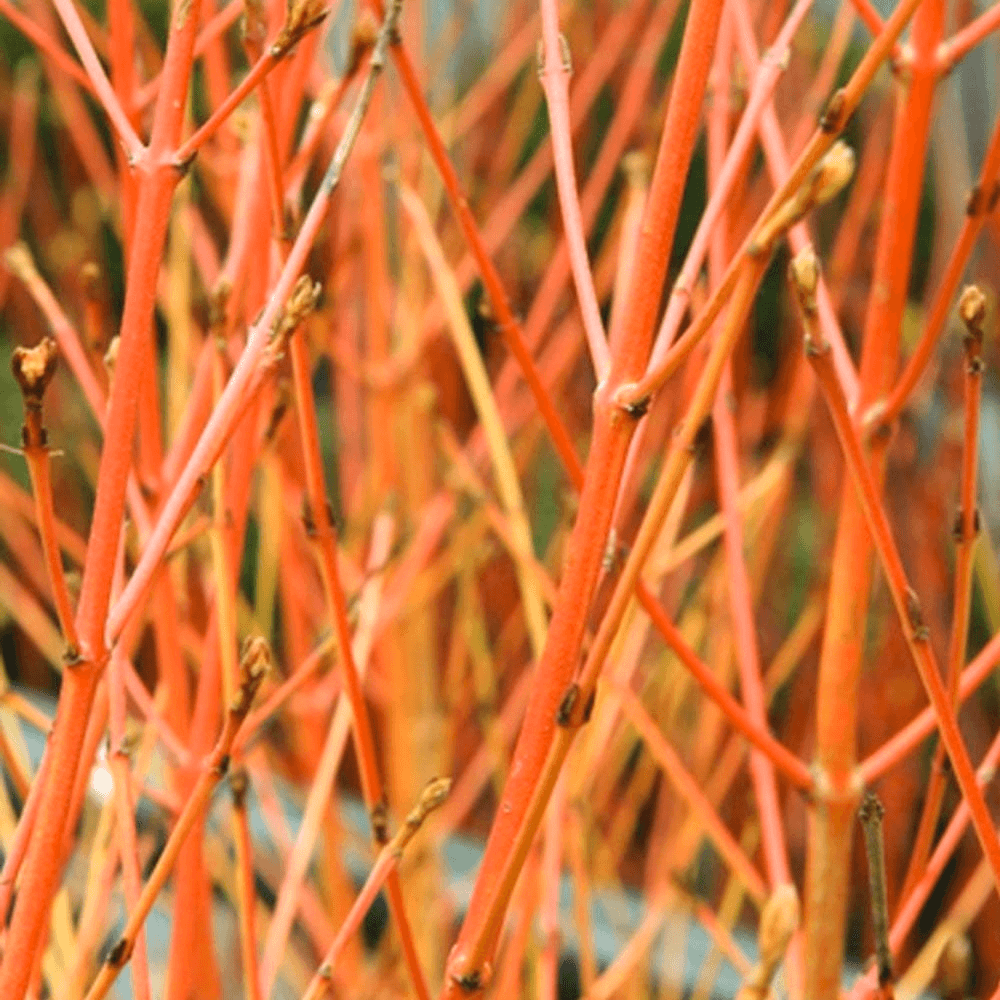
The nature of gardening means we are often in tune with the weather, noticing extending growing seasons and observing how various plants are coping with changes. We have experienced an increased frequency of extreme weather conditions and long-term projections suggest that wetter winters and drier summers is something we should prepare for. So, whilst idly flicking through plant catalogues with your feet up, put plant ‘resilience’ at the forefront of any new planting choices. There is no point plant planting a tree that, in 15 years time is struggling with its roots unable to breath, bathing in soggy soil during the winter before baking in hard, dry soil a few months later. There are still lots of wonderful choices that deliver aesthetically as well as providing that resilience. This time of year, Cornus, or dogwoods, have striking, vivid stem colour, a real joy under that low winter sun. A good option for shady spots, Viburnum opulus ‘Roseum’ is a stunning bushy deciduous shrub that can tolerate wet soils following a rainstorm. Fragrant white or pink flowers throughout the spring and summer are followed by red, blue or black berries coupled with rich red leaves in the autumn.
For many of us, the luxury of letting shrubs grow without some action can soon mean even getting into the garden can become a challenge. Now is a great time for some selective pruning – you can often see the structure better; the plants tend to be mainly dormant and birds have yet start nest building. As always, it is worth checking what you may be disturbing as who knows what wonders may be lurking in that thicket of stems. It is often not clear how much a hard cut-back will affect the ‘victim’, but plants are mostly tougher than you think. Give them a good feed, mulch and mumbled apologies after and they will hopefully reward you with fresh invigorated growth next year. If you are unsure, you can cut back in stages – a ‘renewal’ prune works well for many shrubs, cutting a third of the oldest stems to the ground. A garden ‘journal’ or notepad is great to take notes and an invaluable way to learn how plants are responding to your ‘attentions’.
Birds can look all puffed up as they try to stay warm at this time of year but that does not mean they are all full up and have plenty of food! There is no doubt that feeding the birds increases Winter survivorship. An organic garden should provide rich pickings for all shapes and sizes of visitors – berries, seedheads, slugs and snails, nectar and pollen. If you can manage to have something in flower most months that is great for the wider garden population – Mahonias, cotoneasters or the winter flowering Clematis armandii ‘Apple Blossom’ are invaluable right now.
With this more reflective time of year, it may be time to think differently about your garden and view it as a dynamic, living eco-system. Nature is a wise teacher, and by observing its patterns and working in harmony with it, we can minimise any negative effects on the world around us.
 Dartmoor Gardens